Best Garage Gym Flooring Options (2026 Guide)
5 min readLast Updated on January 30, 2026 by Jason Reed
Affiliate Disclosure: This article contains affiliate links. If you purchase through our links, we may earn a small commission at no extra cost to you. This helps support Garage Gym Builder and allows us to continue providing free content. We only recommend products we believe in.
Gym flooring might not be the most exciting part of building a garage gym, but it’s one of the most important. The right flooring protects your concrete from cracks and chips, reduces noise (your family and neighbors will thank you), provides a stable surface for heavy lifting, and makes your gym feel like a real training space. Here’s everything you need to know about choosing the best garage gym flooring in 2026.
Why You Need Gym Flooring
Bare concrete is not a suitable lifting surface. Here’s why:
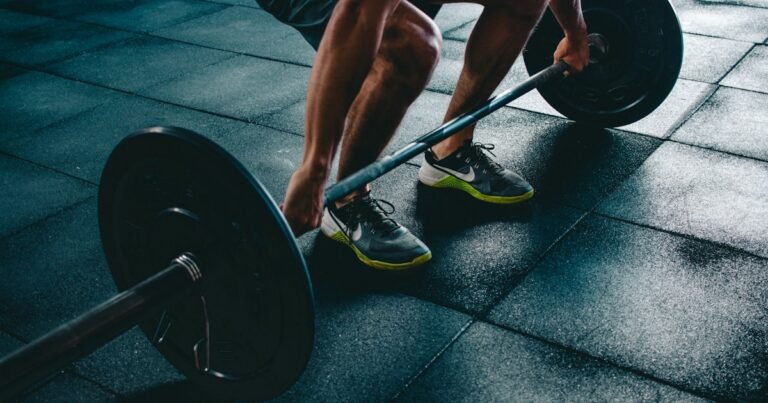
- Floor damage: Dropping iron plates or even a loaded barbell on bare concrete will crack, chip, and pit the surface. Repairing concrete is expensive.
- Equipment damage: Concrete is harder than most gym equipment. Dropped dumbbells and barbells take more damage on concrete than on rubber.
- Noise: Metal on concrete is extremely loud. If your garage is attached to your house, every deadlift rep will echo through the entire home.
- Comfort: Standing on concrete for an hour-long workout is harsh on your feet, ankles, and knees.
- Stability: Smooth concrete can be slippery, especially when sweat drips on it. Rubber flooring provides grip.
Types of Garage Gym Flooring
1. Horse Stall Mats — Best Overall Value
Price: ~$40-50 per 4×6 ft mat (3/4″ thick) | Coverage: 24 sq ft per mat
Horse stall mats from Tractor Supply Co. are the #1 garage gym flooring choice in the home gym community, and for good reason. These 3/4″-thick solid rubber mats are incredibly durable (they’re designed for horses to stand on), provide excellent floor protection, and cost roughly $1.70-2.00 per square foot — significantly less than branded “gym flooring” products with the same specs.
Each mat measures 4×6 feet and weighs about 100 lbs, so they stay in place without adhesive. Most single-car garage gyms need 3-4 mats to cover the main lifting area ($120-200 total). The mats can be cut with a utility knife if you need custom sizing.
The downside: New horse stall mats have a strong rubber smell that takes 2-4 weeks to off-gas. Leaving them in the sun for a few days before installation speeds this up. They’re also very heavy, making installation a two-person job.
Best for: Deadlift platforms, general lifting areas, full-floor coverage on a budget.
2. Interlocking Rubber Tiles — Best for Easy Installation
Price: ~$2.50-4.00 per sq ft | Thickness: 3/8″ to 3/4″
Interlocking rubber tiles snap together like puzzle pieces, making installation fast and easy with no adhesive required. Products like the American Floor Mats Fit-Lock Rubber Tiles are made from commercial-grade recycled rubber and provide excellent durability and impact protection.
The interlocking design also means you can easily remove, rearrange, or replace individual tiles if one gets damaged. This modularity is a big advantage over one-piece mats. Many tiles come in two-tone colors (black with gray or colored flecks) that give your gym a more polished, commercial look.
For heavy lifting areas, choose 3/4″ thick tiles. For general workout areas where you’re mostly standing and doing bodyweight exercises, 3/8″ tiles are sufficient and cheaper.
Best for: Lifters who want easy installation, modular coverage, and a professional look.
3. Rolled Rubber Flooring — Best for Full Coverage
Price: ~$1.50-3.50 per sq ft | Thickness: 1/4″ to 1/2″ (rolls) up to 3/4″ (mats)
Rolled rubber comes in large rolls (typically 4 ft wide by 25-50 ft long) that you unroll and cut to fit your garage. This creates the most seamless, professional-looking finish with no gaps, interlocking seams, or puzzle piece edges. It’s what most commercial gyms use.
The thinner rolled rubber (1/4-3/8″) works well for general exercise areas, cardio equipment zones, and stretching areas. For heavy lifting, you’ll want to layer it over horse stall mats or choose the thicker options. Installation requires measuring and cutting, and adhesive is recommended for the best fit (though many home gym owners just let the weight of the rubber hold it in place).
Best for: Full-garage coverage with a clean, seamless look.
4. EVA Foam Tiles — Best for Bodyweight and Light Training
Price: ~$1.00-2.00 per sq ft | Thickness: 1/2″ to 3/4″
EVA foam interlocking tiles (like the ones from BalanceFrom and ProsourceFit) are the cheapest gym flooring option and are perfectly suitable for bodyweight workouts, yoga, stretching, and light dumbbell exercises. They’re soft, comfortable, and come in various colors.
The MYOYAY 1-inch thick rubber gym tiles offer a denser option that bridges the gap between foam and solid rubber, providing better protection for heavier equipment and moderate-impact exercises.
However: Foam tiles are NOT suitable for heavy barbell training. They compress under heavy loads (your squat stance will feel spongy and unstable), they tear easily when equipment is dragged across them, and they provide minimal floor protection from dropped weights. Use foam only in areas where you’re doing bodyweight work or light training.
Best for: Stretching areas, yoga zones, kids’ play areas, light dumbbell work.
Our Recommended Setup
For a standard single-car garage gym, here’s what we recommend:
- Lifting platform area (8×8 ft): 2-3 horse stall mats ($80-120). This covers your rack, deadlift area, and main lifting space.
- Surrounding area: Interlocking rubber tiles or rolled rubber for the rest of the gym floor. This gives you a professional look and protects the concrete everywhere else.
- Optional deadlift platform: Build a platform using 2 sheets of 3/4″ plywood sandwiched together, with horse stall mats on each side and a bare wood center for deadlifts. Total cost: ~$100-150.
Total flooring cost for a 1-car garage (roughly 200 sq ft): $200-500 depending on materials and coverage.
Installation Tips
- Clean your concrete first — sweep and mop thoroughly. Dirt under mats creates uneven surfaces.
- Let rubber off-gas — new rubber flooring smells. Unroll or unpack it outside for a few days before installing.
- Don’t overthink it — for most garage gyms, laying mats down without adhesive works fine. They’re heavy enough to stay put.
- Measure twice, cut once — if cutting mats around obstacles, use a sharp utility knife and a straight edge. Change blades frequently.
Final Thoughts
Investing $200-500 in proper gym flooring is one of the highest-ROI purchases for your garage gym. It protects thousands of dollars worth of equipment and concrete, reduces noise dramatically, and makes your space feel like a legitimate training facility. Horse stall mats remain the best value for lifters, while interlocking rubber tiles offer the easiest installation and best aesthetics. Whatever you choose, get your floor sorted before you start training — your back, your concrete, and your family will thank you.